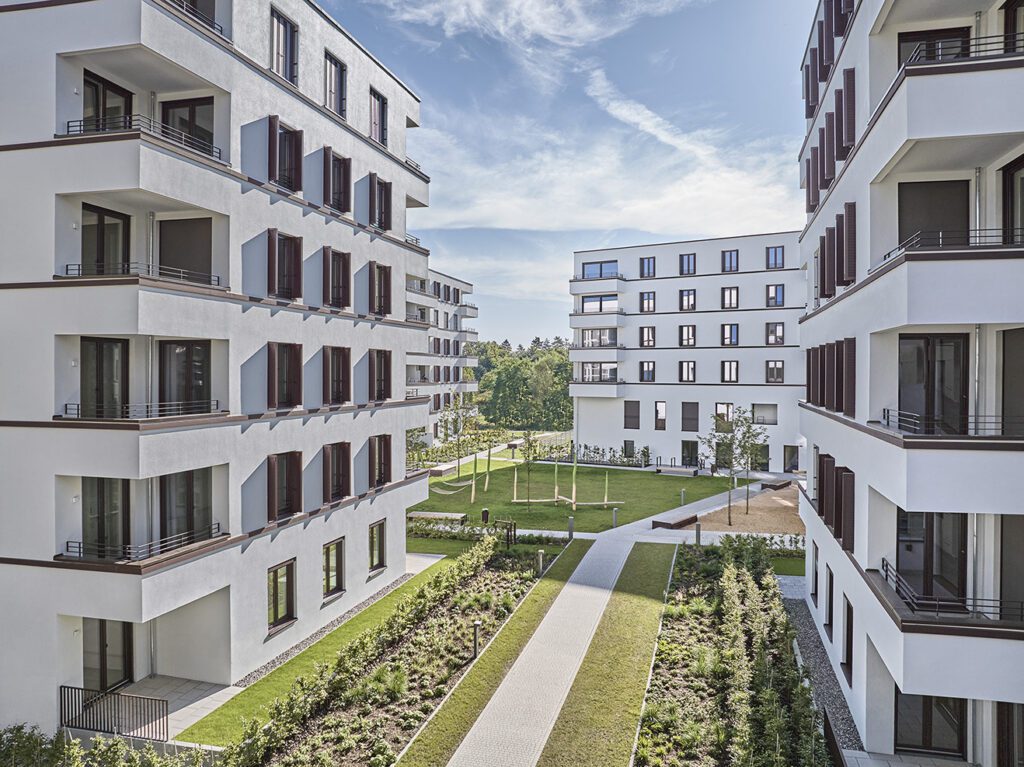
With the strong support of its bondholders, Pandion AG has cleared an important hurdle for a successful future. With an approval rate of nearly 100%, the extension of the 2021/2026 corporate bond was approved.
We supported our client PANDION AG, a leading project developer for high-quality residential and commercial properties in German A-cities, in the successful extension of its 2021/2026 corporate bond. The quorum of 50% required for a decision to be passed was already significantly exceeded in the first vote without a meeting: around 55% of the outstanding bond volume participated. Approval of the proposed amendments to the bond terms was almost 100%.
The high participation and approval rate is proof of the transparent communication and intensive dialogue with the bond creditors. Our team of advisors, consisting of Karolin Bistrovic, Jonas Schneider, Niklas Wagner and Fabian Kirchmann, supported PANDION throughout the entire process in communication, mobilising the creditor base and preparing for the vote.
The resolution included an increase in the interest rate to 8.0% p.a., semi-annual interest payments, an extension of the term until 5 August 2028, and regular additional reporting and communication formats. Another component is the early partial repayment of 10% of the total nominal amount on 31 December 2027.
The process was carried out in close and efficient cooperation with PANDION, Pareto Securities AS, Frankfurt Branch , which was entrusted with supporting institutional investors, and the law firm Heuking as legal advisor.
"Especially in challenging market situations, the value of professional investor communication becomes apparent and creates the basis for sustainable solutions. With the support of Pandion, we have now successfully implemented our 15th bond restructuring." Fabian Kirchmann, CEO of iron AG.
Fabian Kirchmann, managing partner of iron AG
The successful extension of the bond is one of the central building blocks for the realignment of the PANDION Group's financing structure. It gives the company additional time and provides tailwind for the implementation of further measures in the financing concept for the sustainable stabilisation of liquidity.