
The announced loosening of sustainability reporting requirements as part of the EU omnibus process could give the impression that companies now face less pressure to collect and disclose sustainability data. But appearances can be deceiving. Legislative initiatives may change, but the fundamentals remain the same.
Addressing sustainability remains a strategic necessity because the relevant requirements remain in place – climate change, market mechanisms, and stakeholder expectations. Four key aspects show why companies are well advised to collect their sustainability data in a structured manner and use it strategically, despite potentially reduced reporting requirements after the omnibus.
1. WEF Risk Report: Sustainability as part of risk management
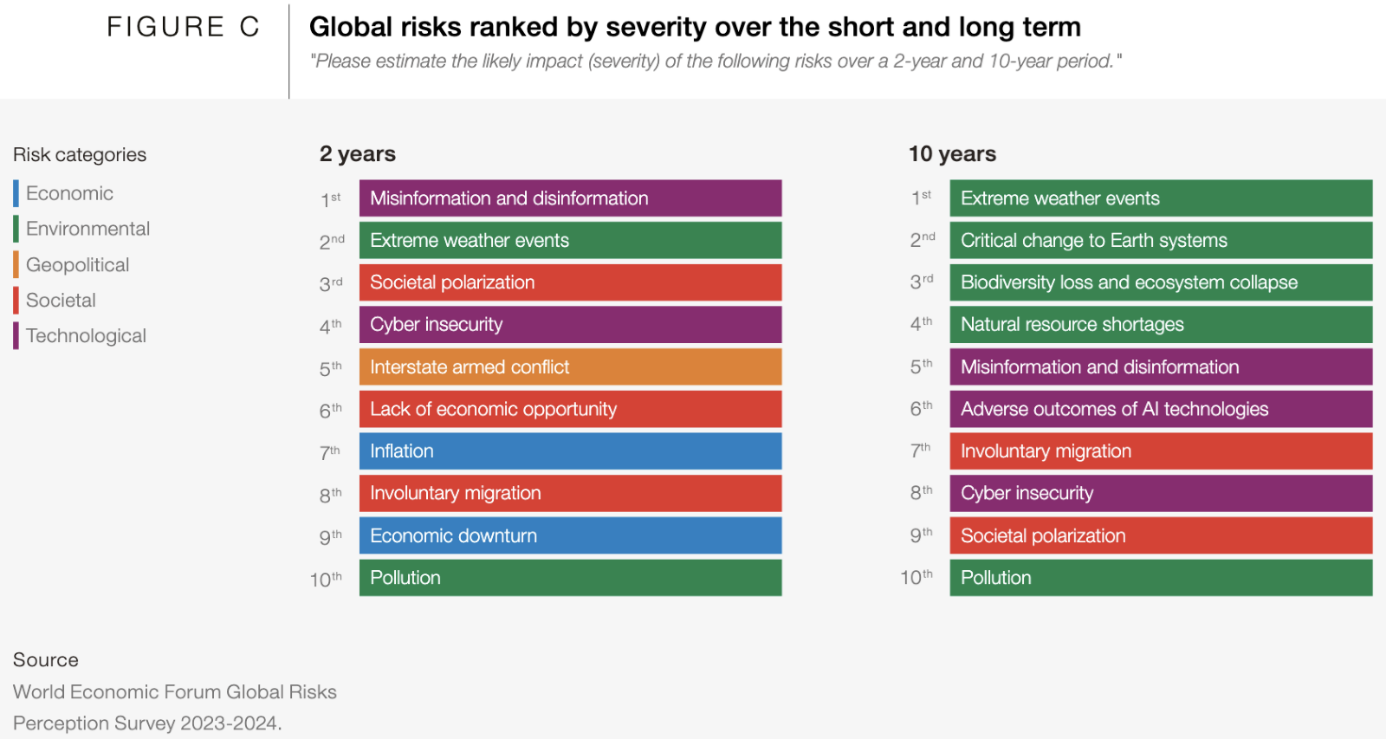
For years, the World Economic Forum (WEF) Risk Report has identified environmental and social risks as key threats to the economy and society. Climate and biodiversity risks, social inequality, and geopolitical tensions directly affect companies.
It is wise to integrate these risks into corporate strategy at an early stage and use data to develop well-founded perspectives on opportunities that will bring long-term competitive advantages and a more crisis-proof business model. Companies that report on sustainability aspects at an early stage achieve performance more quickly and increase their resilience and future viability.
2. Provision of information for capital market players: sustainability as a relevant assessment factor
Banks, investors and insurance companies need reliable sustainability information in order to make valid decisions and offer sustainable financing instruments. Despite the lively debate on corporate reporting requirements, the EU taxonomy and the Sustainable Finance Disclosure Regulation (SFDR) remain the guiding framework.
Companies that can provide sound sustainability data have a better chance of obtaining more favourable financing and insurance terms and a better credit rating.
3. Data requests from customers and other stakeholders: expectations remain high
More and more customers, business partners, and suppliers are demanding transparent sustainability data. Companies subject to reporting requirements pass these requirements on to their suppliers, so that even companies not subject to reporting requirements are in demand.
Those who are well prepared and can demonstrate well-structured and reliable sustainability indicators will secure competitive advantages and remain attractive as business partners. You can also score points in public procurement procedures with sustainability credentials.
4. HR perspective: sustainability as a factor in employer branding and talent acquisition
You will also be in a better position on the labour market if you are credibly committed to sustainability. Shorter recruitment processes and better candidates who remain loyal to the company for longer significantly reduce costs and increase productivity. Younger generations in particular value sustainable employers who take social responsibility seriously.
Companies that underpin their sustainability strategy with reliable data can position themselves as attractive employers, attract qualified specialists, and strengthen employee loyalty. A credible commitment is demonstrated not only in communication, but also in transparency about progress and objectives.
Conclusion: Sustainability as a strategic imperative
Even in the current situation, the structured collection and use of sustainability data remains important. Companies that proactively integrate sustainability into their strategy not only ensure regulatory compliance, but also long-term competitiveness, better financing opportunities, more stable customer relationships, and a stronger employer brand.
Sustainability remains a reliable differentiator – possibly even more so than without omnibus.


